
- 10 Sep, 2026
- Digital Payments
- by Admin
USDT Is Becoming a Payment Tool, Not Just a Crypto Asset
For years, USDT was primarily associated with cryptocurrency trading. Today, that is changing.
USDT is increasingly becoming more than an asset people hold in a wallet or move between exchanges. It is becoming a practical tool for moving and spending money.
As stablecoins become more connected to payment cards, digital wallets, cross-border transfers, and online commerce, the way people think about digital assets is beginning to change.
The question is no longer simply, “Why would I hold USDT?”
It is becoming:
“What can I actually do with it?”
From Crypto Asset to Payment Tool
USDT was created to provide a digital representation of the U.S. dollar on blockchain networks. Its relatively stable value made it useful for traders and people looking to move dollar-denominated value without relying entirely on traditional financial rails.
But its usefulness has expanded.
People use USDT to transfer value, receive payments, move money internationally, and increasingly access everyday financial services.
That shift is important because payments require something different from speculative assets.
When someone receives a payment, they usually want predictable value.
When someone sends money internationally, they want speed and accessibility.
When someone makes a purchase, they want the transaction to simply work.
Stablecoins can help address some of these needs while operating on blockchain infrastructure.
Stablecoins Are Entering the Payments Industry
The traditional payments industry is also paying closer attention.
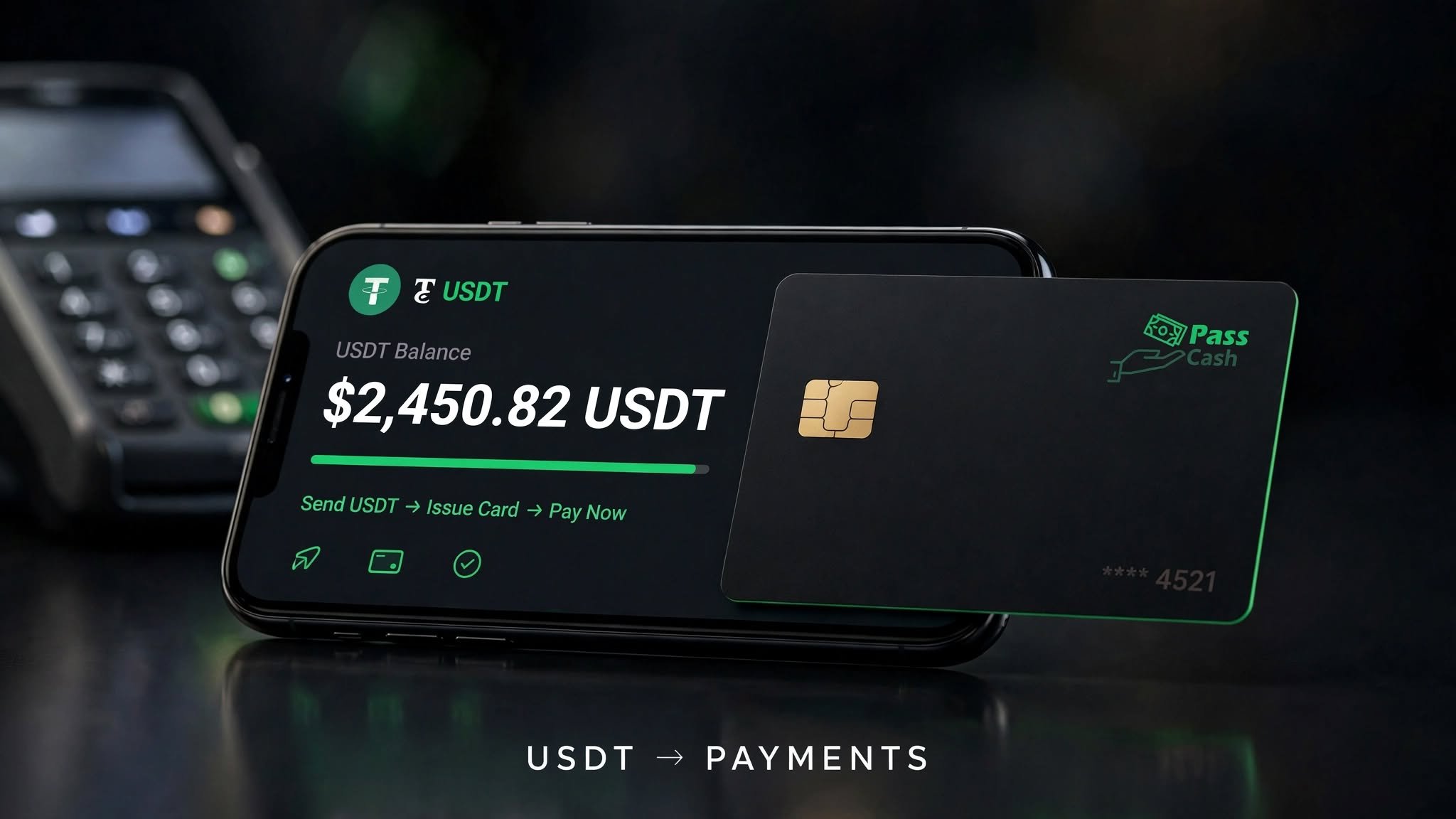
Stablecoin-linked card programs are expanding globally, creating a bridge between digital assets and familiar card payment experiences.
Instead of requiring users to understand blockchain transactions every time they want to make a purchase, payment cards can provide a familiar way to access digital value.
The card becomes the interface.
The digital asset infrastructure operates behind it.
For consumers, that can make the experience much simpler.
The goal is not necessarily to make everyone a crypto expert.
The goal is to make digital money easier to use.
Why Payment Cards Matter
One of the biggest challenges with cryptocurrency adoption has always been practical spending.
Someone may hold USDT but still have limited ways to use it directly for everyday purchases.
Without a convenient payment solution, users may have to move their assets, convert them, withdraw traditional currency, and then use another payment method.
That creates unnecessary steps.
Digital payment cards can reduce that friction by connecting digital assets with the payment experiences people already understand.
Instead of thinking about blockchain networks and complicated transactions, users can focus on the purchase itself.
That could be one of the most important developments in the next stage of stablecoin adoption.
USDT and Cross-Border Payments
The opportunity goes beyond shopping.
Cross-border payments remain an important area for stablecoins.
Traditional international transfers can involve multiple financial institutions, foreign exchange processes, settlement times, and additional fees.
Stablecoins operate on blockchain networks that can move value around the clock.
This does not mean every stablecoin transaction automatically replaces a traditional bank transfer. Local regulations, liquidity, compliance, conversion, and payment infrastructure still matter.
However, stablecoins provide another way to move dollar-denominated value across borders.
For individuals, freelancers, businesses, and digital companies operating internationally, that can be valuable.
The Shift From Holding to Using
The most important change may be the shift from simply holding digital assets to actually using them.
For years, much of the cryptocurrency conversation focused on buying, selling, trading, and investing.
Stablecoins introduce a different conversation.
They can be used to move value.
They can be used to receive payments.
They can be connected to cards.
They can support peer-to-peer transactions.
They can provide digital access to dollar-denominated value.
That makes stablecoins particularly interesting as financial tools rather than simply crypto assets.
What This Means for Everyday Users
For everyday users, the biggest benefit is convenience.
A user holding USDT may want to:
- Send money to another person
- Receive a payment
- Exchange digital assets through P2P
- Pay for online services
- Use a digital payment card
- Move value across borders
- Spend digital assets without going through multiple conversion steps
The more these experiences connect, the more useful stablecoins become.
A wallet provides access to digital assets.
A P2P marketplace provides a way to exchange value with other users.
A payment card provides a familiar way to spend.
Bringing these experiences together creates a more practical digital payment ecosystem.
Where PassCash Fits
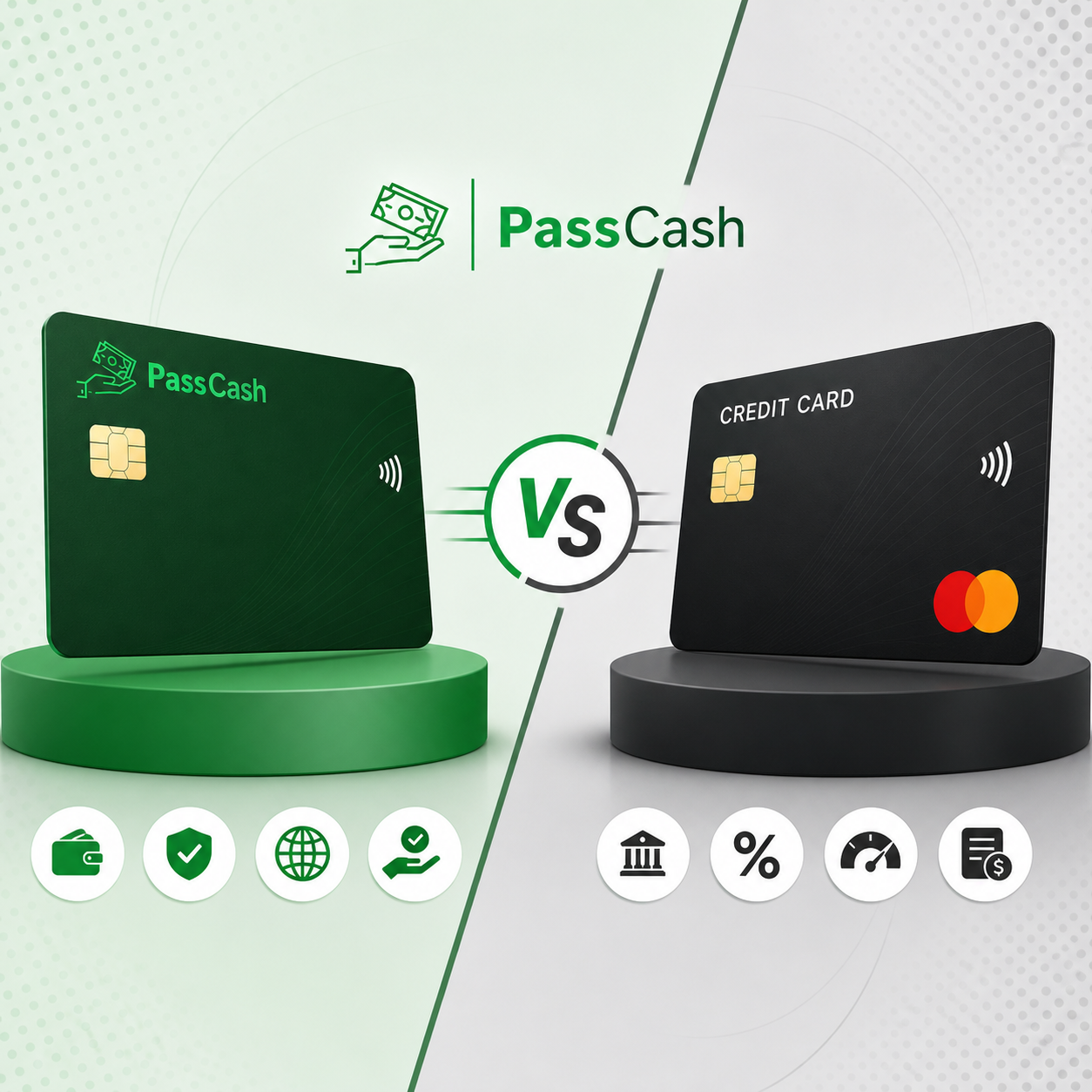
PassCash is built around a simple idea: digital assets should be useful in the real world.
Through PassCash, users can access digital payment tools designed around stablecoin spending, digital cards, and peer-to-peer transactions.
The goal is not to make payments more complicated.
It is to make digital assets more practical.
Whether users are moving value through P2P or using a PassCash card for online spending, the focus is on creating a bridge between digital assets and everyday payments.
Hold it. Move it. Spend it.
That is the direction digital payments are heading.
The Future of USDT
USDT's role is changing.
It is no longer only associated with cryptocurrency exchanges and trading activity. Stablecoins are increasingly being connected to payment infrastructure, wallets, cross-border transactions, and consumer financial products.
The next stage of digital asset adoption may therefore be less about convincing people to buy cryptocurrency and more about giving people useful ways to spend and move the digital assets they already have.
That is a meaningful shift.
It moves the conversation away from speculation and toward utility.
Away from simply holding digital assets and toward using them.
As stablecoins continue to become part of the global payments ecosystem, USDT could play an increasingly important role in how people move money, make payments, and access digital financial services.
The future of digital assets may not be defined by what people hold.
It may be defined by what they can actually do with it.